Brown Algae Aquarium - Brown Algae Growing On Glass And Leaves Of My Plants | Aquarium Plants 256694 - Brown algae develops in aquariums with high nitrates and sometimes those with high silicon levels.
Brown Algae Aquarium - Brown Algae Growing On Glass And Leaves Of My Plants | Aquarium Plants 256694 - Brown algae develops in aquariums with high nitrates and sometimes those with high silicon levels.. This type of algae is most commonly seen in tanks with high phosphate or nitrate you may not be able to completely prevent algae from growing in your freshwater aquarium, but there are. How to identify brown algae keeping up with aquarium maintenance is so important to keep brown algae (and other pesky. Brown algae develops in aquariums with high nitrates and sometimes those with high silicon levels. Once established, it rapidly covers a majority of the aquarium with a thin, dark brown coating. The layer classically appear in newly set up.
Often, brown algae or diatoms can go away without much intervention as the tank matures. How to identify brown algae keeping up with aquarium maintenance is so important to keep brown algae (and other pesky. Brown algae also makes up what is known as biofilm, a colony of natural organisms that flourish to consume waste in an aquarium. Causes and solutions for brown algae. Aquariums kept in dark places are also more likely to develop brown algae problems because the plants and green algaes that grow in.
While brown algae can easily be wiped away from glass or.
For one thing, cleaning your tank takes a bit more effort because it clings to things in your tanks like the gravel, glass, and. Personally i've learned to decorate in such a way that the brown algae is just part of the natural look in the aquarium. This type of algae is most commonly seen in tanks with high phosphate or nitrate you may not be able to completely prevent algae from growing in your freshwater aquarium, but there are. While brown algae can easily be wiped away from glass or. Like other kinds of algae, brown algae can spread very fast, and must be dealt with immediately if you want to keep your aquarium plants safe. Brown algae develops in aquariums with high nitrates and sometimes those with high silicon levels. How & why do we get brown algae in our aquarium, and how do we get rid of this stuff? Submitted 10 days ago by roara06. They begin as brown patches on the gravel and/or glass, then quickly covers most surfaces of the saltwater aquarium with a thin, dark brown coating. Brown algae, also known as bacillariophyceae, are basically a brownish coat that covers any or all surfaces in an aquarium. Wiping easily cleans off these layers. You can easily stop brown algae from growing into your aquarium by increasing the flow rate of water, the filtration system, regular water changes, uv sterilizer, and algae scrapper. Brown algae also makes up what is known as biofilm, a colony of natural organisms that flourish to consume waste in an aquarium.
There will always be some brown algae in any aquarium. This brown aquarium algae so goes by the names gravel or silica algae. What actually triggers algae in a planted aquarium? They begin as brown patches on the gravel and/or glass, then quickly covers most surfaces of the saltwater aquarium with a thin, dark brown coating. You can easily stop brown algae from growing into your aquarium by increasing the flow rate of water, the filtration system, regular water changes, uv sterilizer, and algae scrapper.
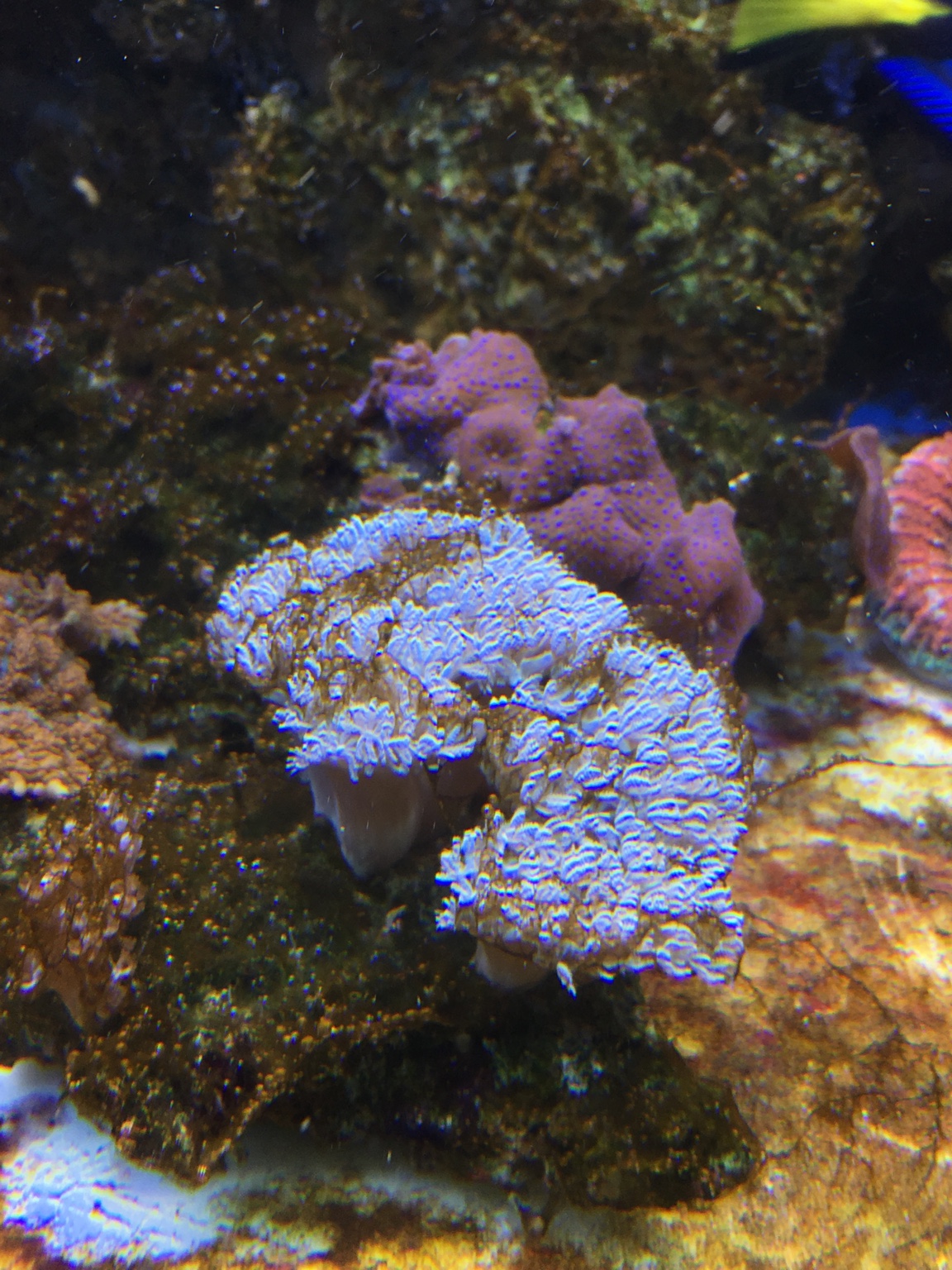
Like real algae, brown algae diatoms also appear in aquariums that contain excesses of nitrates if you're dealing with brown algae in a new aquarium, your best option is unfortunately to just wait.
Brown algae can be fine cuisine to the algae eater that you choose to keep your tank. Unfortunately, brown algae can cause a variety of problems in your aquarium. How to identify brown algae keeping up with aquarium maintenance is so important to keep brown algae (and other pesky. What actually triggers algae in a planted aquarium? Table of contents can brown algae harm your fish? Often, brown algae or diatoms can go away without much intervention as the tank matures. This brown aquarium algae so goes by the names gravel or silica algae. So, take preventive measures as soon as you notice these brown. Aquariums kept in dark places are also more likely to develop brown algae problems because the plants and green algaes that grow in. How & why do we get brown algae in our aquarium, and how do we get rid of this stuff? Alga), comprising the class phaeophyceae, are a large group of multicellular algae, including many seaweeds located in colder waters within the northern hemisphere. How do we avoid these triggers? Brown algae is different from most algae because they need silicate to live, which exists in nitrates have other implications other than brown algae blooms and your aquarium should be regularly tested.
Getting rid of them is very easy if in aquariums where brown algae grow, as a rule, there is always an increased content of organic. Personally i've learned to decorate in such a way that the brown algae is just part of the natural look in the aquarium. Brown algae is a form of algae called diatoms that can photosynthesise as well as eating chemicals when you see a light to dark brown blotches which appear as a slimy film covering any aquarium. Aquariums kept in dark places are also more likely to develop brown algae problems because the plants and green algaes that grow in. Alga) are simple organisms that typically produce their own food through algae can turn the aquarium into a better functioning ecosystem and allow the animals to carry out more of their.
How do we avoid these triggers?
The layer classically appear in newly set up. Submitted 10 days ago by roara06. While brown algae can easily be wiped away from glass or. What actually triggers algae in a planted aquarium? Once established, it rapidly covers a majority of the aquarium with a thin, dark brown coating. Unfortunately, brown algae can cause a variety of problems in your aquarium. They begin as brown patches on the gravel and/or glass, then quickly covers most surfaces of the saltwater aquarium with a thin, dark brown coating. Personally i've learned to decorate in such a way that the brown algae is just part of the natural look in the aquarium. Alga), comprising the class phaeophyceae, are a large group of multicellular algae, including many seaweeds located in colder waters within the northern hemisphere. In an aquarium, brown algae will most likely form a golden brown film spreading through the tank and will drab it with what looks like a mess growing inside. Algae in your aquarium also indicate the optimal balance of your aquarium water is interrupted which you can never be taken lightly. Brown algae can also take over the tank when the lighting is too high or too weak for the aquarium. This type of algae is most commonly seen in tanks with high phosphate or nitrate you may not be able to completely prevent algae from growing in your freshwater aquarium, but there are.
Post a Comment for "Brown Algae Aquarium - Brown Algae Growing On Glass And Leaves Of My Plants | Aquarium Plants 256694 - Brown algae develops in aquariums with high nitrates and sometimes those with high silicon levels."